Why not every deburrer is suitable for hydraulic pipes
No, not every deburrer is designed for machining hydraulic steel tubes. Many models available on the market were originally developed for copper or plastic tubes. Whilst they can also be used for steel tubes, they often reach their limits when doing so.
At first glance, many deburring tools appear almost identical. In day-to-day work, however, the differences quickly become apparent. Whilst some tools have been specifically developed to meet the requirements of hydraulic pipes, others are designed primarily for softer Seal Materials.
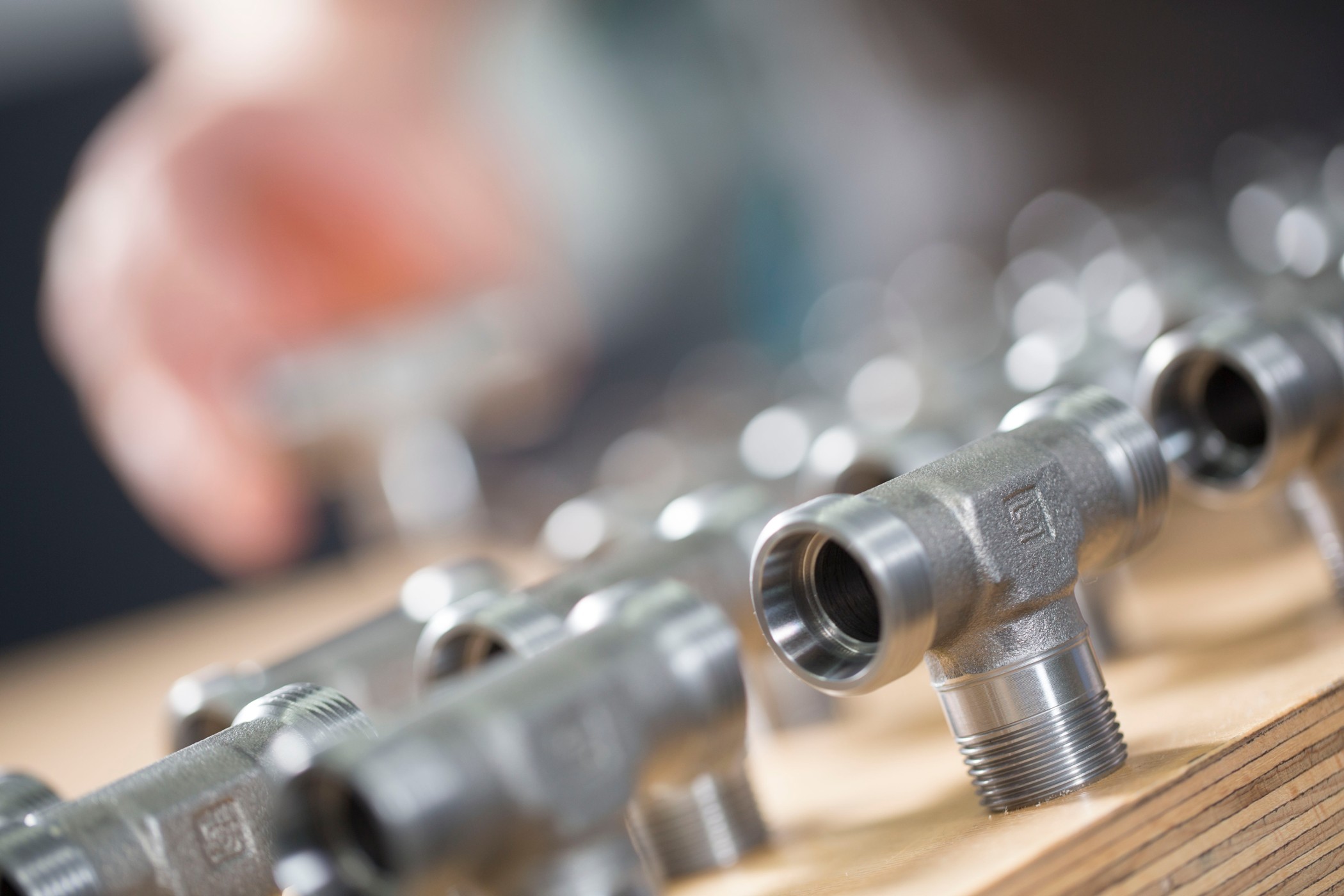
In hydraulics in particular, the quality of Tube Preparation has a direct impact on all subsequent work stages. Cleanly machined Tube Ends facilitate assembly, support consistent further processing and lay the foundation for reliable connections.
That is why it is worth taking a closer look at the tool being used. After all, not every product capable of deburring a pipe automatically delivers the optimum result for demanding applications in the hydraulics sector.
Why many users still opt for simple deburring tools
Simple universal deburring tools are widely used in workshops and service vehicles. There are several reasons for this. They are cost-effective, readily available and have been used by many users for years.
In practice, such tools are often used on hydraulic steel pipes, even though they were originally designed for softer materials such as copper or plastic. This does not necessarily mean that they fail to do the job. They are certainly capable of removing burrs and enabling further processing.
However, there is a crucial difference between ‘works in principle’ and ‘delivers consistently optimal results’. Particularly with regularly recurring tasks, larger batch sizes or demanding applications, the limitations of simple tools often become apparent more quickly.
Many users therefore initially opt for a supposedly cheaper solution, even though the actual differences only become apparent after prolonged use. Wear and tear, machining quality and ease of use play a significantly greater role here than the purchase price alone.
Which design differences determine quality
The differences between a basic and a professional deburrer often lie in details that are not immediately apparent from the outside.
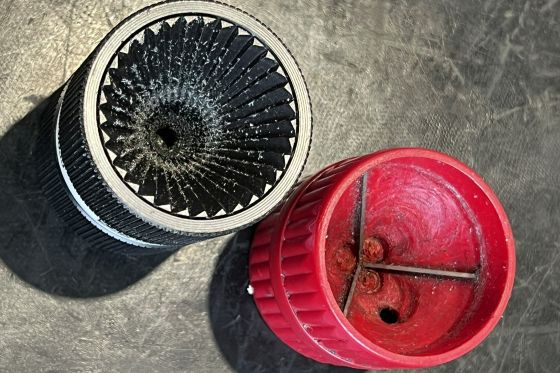
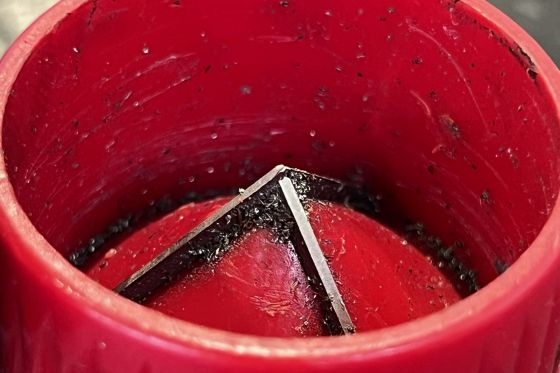
Key factors include the number and arrangement of the cutting edges, the geometry of the cutting edges and the seal materials used. These features directly influence how cleanly a pipe edge is machined and how smoothly the tool can be guided.
Professional deburring tools often feature several precisely arranged cutting edges. This ensures that material is removed in a more controlled manner and the machining process is more consistent. At the same time, the tool’s guidance can be improved, which helps to achieve reproducible results.
The material of the cutting edges also plays an important role. High-quality designs use hardened special steel to withstand the stresses involved in machining steel tubes over the long term. This not only increases the tool’s service life but also helps to ensure that the machining quality remains consistent over time.
The differences often only become apparent when the tools are compared side by side. Whilst professionally machined Tube Ends appear clean and uniform, simpler tools can result in greater variations in the machined edges.
Deburring tools from STAUFF
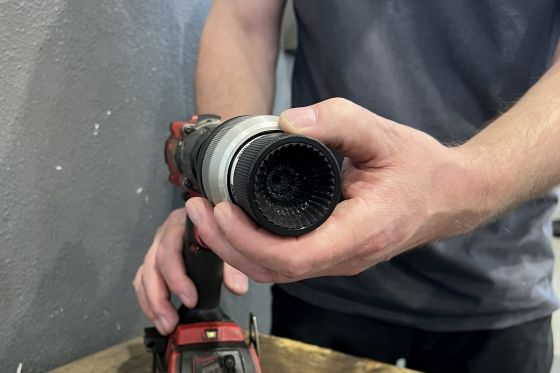
Discover high-quality pipe deburring tools in the STAUFF range. Also available from us: handy adaptors for cordless screwdrivers.

Why the pipe material is crucial
Not every type of pipe material places the same demands on the tool. This is precisely why choosing the right deburrer is so important.
Copper pipes are relatively easy to work with. Plastic pipes such as PE, PP or PVC also have different requirements to steel pipes. Hydraulic pipes made of steel and Stainless Steel, on the other hand, are among the more demanding materials and place significantly greater strain on the cutting edges of a deburrer.
A tool that delivers impressive results with plastic or copper pipes is therefore not necessarily the best choice for hydraulic steel pipes. The harder the material, the more important factors such as cutting quality, material hardness and the stability of the tool become.
Anyone who regularly prepares steel pipes therefore benefits from tools that have been specifically developed to meet these requirements. They enable a more consistent machining process and help to maintain a consistently high standard of work over the long term.
Why high-quality tools pay off in the long run
At first glance, the price difference between basic and professional deburring tools often seems negligible. In day-to-day use, however, the differences can become very noticeable.
A high-quality tool ensures consistent machining quality across many applications. It reduces wear, simplifies repetitive tasks and guarantees reproducible results.
Particularly in the case of frequent assembly and servicing work, small advantages quickly add up to a noticeable gain in productivity. Less rework, greater process reliability and a longer tool life have a direct impact on efficiency.
That is why the decision on which deburrer to choose should not be based solely on the purchase price. Far more important is the question of how reliably the tool will perform its task over the years.
In the hydraulics sector in particular, it is repeatedly evident that the quality of a joint begins long before the actual assembly. It is often the details of Tube Preparation that make all the difference later on.
Fascinating insights from our customers
This article was produced in collaboration between STAUFF and Motara. Find out more about our customer here:
FAQs
Can a deburrer designed for copper pipes also be used on hydraulic steel pipes?
In principle, this is possible. However, many of these tools were originally designed for softer Seal Materials. With steel tubes, the quality of the finish and tool life may suffer as a result.
Why do the number and arrangement of the cutting edges matter?
The number and arrangement of the cutting edges influence material removal and the guidance of the tool. Several precisely arranged cutting edges can contribute to more consistent machining results.
What effect does the material of the cutting edges have?
High-quality cutting edges made from hardened special steel are more resistant to wear and better suited to machining more demanding materials.
Why do hydraulic pipes need to be deburred?
Sawing or cutting produces burrs and sharp edges. These should be removed so that further machining and assembly can be carried out as cleanly and precisely as possible.
When is it worth investing in a professional deburring tool?
Users benefit from the longer service life, ease of use and consistent results offered by high-quality tools, particularly when carrying out regular work on hydraulic pipes, processing large quantities and in service applications.

Newsletter Sign-up
Sign up now and never miss another post!