Rust and corrosion: an overview
Rust is a specific form of corrosion that occurs in iron and steel. Corrosion, on the other hand, is a general term for the decomposition of materials through chemical reactions. This article explains the differences between rust and corrosion, their effects on materials and protective measures. Corrosion protection is critical to the longevity and reliability of hydraulic systems and other industrial applications.
What is rust?
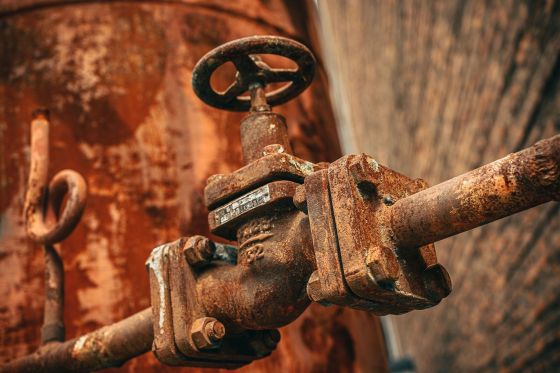
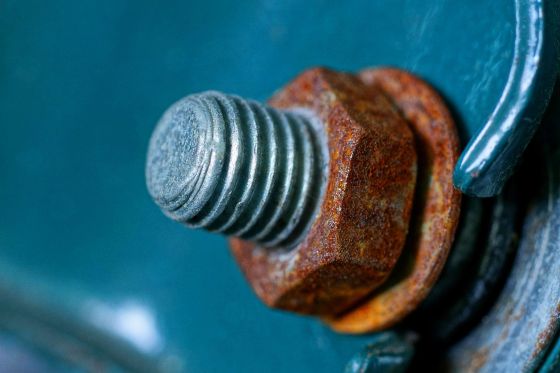
Chemical processes: This reaction leads to the formation of iron oxides known as rust.
Examples: Rusty nails, tools and vehicles.
Effects: Rust can significantly affect the structural integrity of materials.
What is corrosion?
Definition: Corrosion is a general term for the decomposition of materials through chemical reactions with their environment.
Types of corrosion: galvanic corrosion, pitting corrosion, crevice corrosion.
Examples: Tarnishing of silver, rusting of iron, decomposition of concrete.
Effects: Corrosion can occur in a variety of materials, including metals, plastics and ceramics.
Differences between rust and corrosion
Chemical processes: Rust is a specific form of corrosion that only occurs in iron and steel, whereas corrosion is a general term for the decomposition of materials.
Affected materials: Rust only affects iron and steel, while corrosion can occur in many different materials.
Effects and protective measures: Rust can significantly affect the structural integrity of iron and steel, while corrosion can have different effects depending on the material. Protective measures against rust include the application of protective coatings and the use of rust inhibitors, while anti-corrosion measures can vary depending on the type of corrosion.
Effects of rust and corrosion on materials
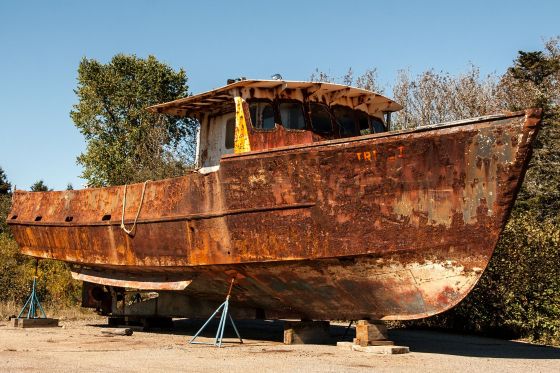
Rust and corrosion can significantly impair the service life and functionality of materials. In hydraulics and mechanical engineering, corroded components can lead to system failures and high maintenance costs. Practical examples show that corrosion-protected materials last longer and are more reliable.
Effective protective measures against rust and corrosion
Preventive measures: Regular inspections and maintenance, use of protective coatings and rust inhibitors.
Technologies: Use of corrosion-resistant materials, application of cathodic protection and electrochemical protection methods.
Products and solutions from STAUFF: STAUFF offers a wide range of products and solutions to combat corrosion, including protective coatings and corrosion-resistant components.
Why corrosion protection is crucial for hydraulic systems
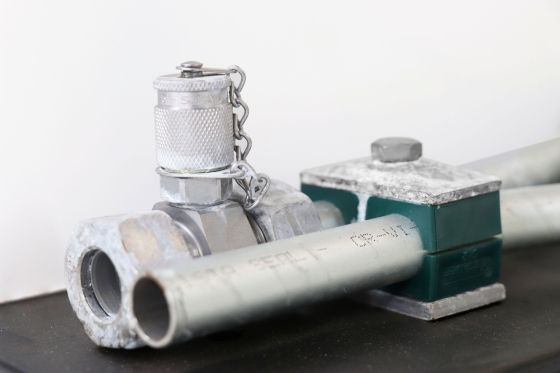
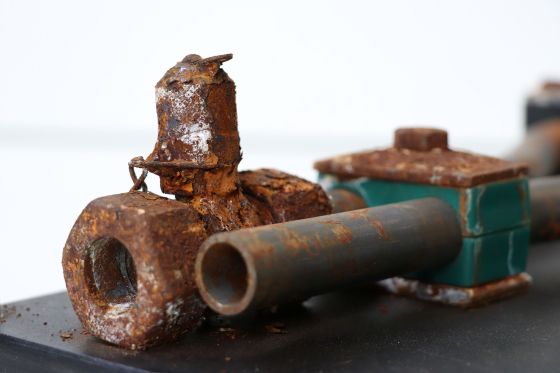
Rust and corrosion are significant challenges to the longevity and reliability of materials. While rust is a specific form of corrosion that only occurs in iron and steel, corrosion can occur in many different materials. The negative effects of rust and corrosion can be minimised by taking appropriate protective measures, and STAUFF offers a variety of solutions to effectively protect materials from corrosion and extend their service life. The comparison below shows STAUFF components and components from the competition after a test in the salt spray chamber. Thanks to the zinc/nickel coating, many of our components are more durable and resistant.
FAQs
What is the main difference between rust and corrosion?
How can rust and corrosion be effectively prevented?
Through regular inspections, the use of protective coatings and rust inhibitors and the use of corrosion-resistant materials.
What products does STAUFF offer for corrosion protection?
STAUFF offers a wide range of products and solutions to combat corrosion, including protective coatings and corrosion-resistant components.
Which materials are particularly susceptible to corrosion?
Metals such as iron and steel are particularly susceptible to rust, while other materials such as plastics and ceramics can also corrode, but in different ways.

Newsletter subscription
Subscribe now and don't miss any new articles!